Masonry Foundation Repair & Waterproofing
Protect your Springfield home with professional foundation repair and waterproofing that addresses the root causes of damage.
Why Foundation Problems Cannot Wait
Your foundation is literally what your entire home rests on. When foundation problems develop, they affect everything above them. Cracks in walls, doors that stick, windows that will not open smoothly, and uneven floors are often symptoms of foundation issues. Water in your basement or crawl space points to foundation and waterproofing problems. These issues never get better on their own. They only get worse, and the longer you wait, the more expensive repairs become.
Here in Springfield, our clay soil and weather patterns create specific challenges for foundations. The soil expands when wet and shrinks when dry, putting constant pressure on foundation walls. Our freeze-thaw cycles can worsen cracks and allow water infiltration. Heavy rains can overwhelm inadequate drainage systems. Understanding these local conditions is essential for effective foundation repair and waterproofing that actually solves problems rather than just covering symptoms.
At SFM Springfield Masonry, we specialize in diagnosing and repairing foundation problems in masonry structures. We understand brick, block, and stone foundations, how they fail, and how to fix them properly. Whether you have cracks, bowing walls, water infiltration, or settling issues, we have the expertise to assess the situation accurately and recommend the right solutions. We do not use scare tactics or push unnecessary work. We give you honest assessments and effective repairs that protect your home.
Common Foundation Problems We Fix
Foundation problems come in many forms, and correctly identifying the cause is the first step to effective repair. Let us walk you through the most common issues we see in Springfield homes and what they mean for your foundation.
Cracked Foundation Walls
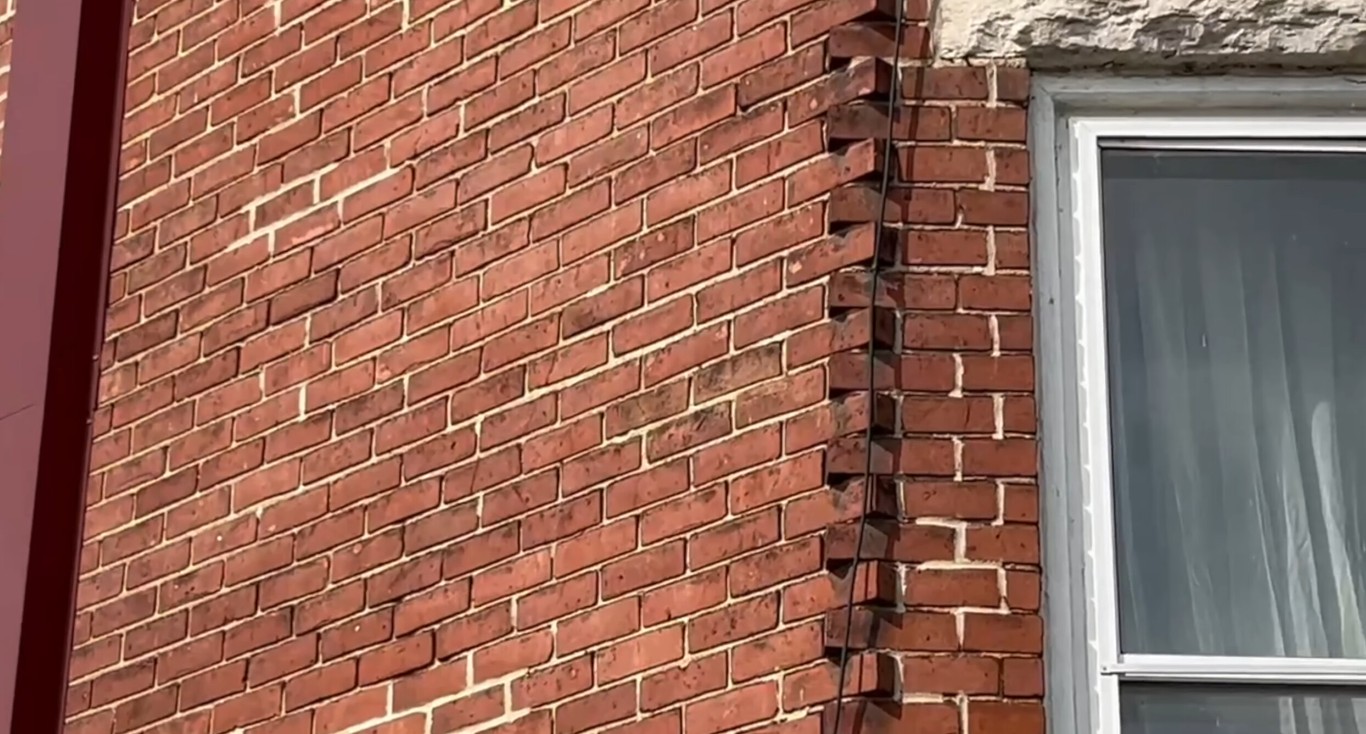
Cracks in foundation walls can range from hairline cosmetic issues to serious structural problems. Vertical cracks are often less concerning than horizontal or stair-step cracks, which can indicate serious pressure or movement. The width, location, and direction of cracks tell us a lot about what is happening. We carefully evaluate each crack to determine if it is stable or active, cosmetic or structural, and what is causing it. Repairs range from simple crack sealing to more extensive reinforcement, depending on the situation.
Bowing or Leaning Walls
When foundation walls bow inward or lean, it means they are under significant pressure, usually from soil pushing against them. This is a serious problem that requires prompt attention. Left unaddressed, bowing walls can eventually fail completely. We use various techniques to stabilize and straighten bowing walls, including wall anchors, carbon fiber reinforcement, and steel bracing systems. The right solution depends on the severity of the bowing and what is causing the pressure. Our brick and masonry repair experience translates directly to foundation wall restoration.
Water Infiltration and Dampness
Water in your basement or crawl space damages stored items, creates musty odors, promotes mold growth, and can undermine your foundation over time. Water gets in through cracks, failed joints, inadequate drainage, or hydrostatic pressure pushing it through porous masonry. Effective waterproofing addresses the source of water, not just the symptoms. This might involve exterior drainage improvements, crack repair, interior drainage systems, or applying waterproof coatings and membranes.
Settlement and Sinking
When parts of your foundation settle or sink, it creates uneven floors, cracked walls, and gaps around doors and windows. Settlement usually happens because the soil under the foundation was not properly compacted or because changes in moisture content have affected the soil. Correcting settlement often involves stabilizing the foundation and potentially lifting settled sections back to their proper level. This is specialized work that requires experience and the right equipment.
Warning signs that your foundation needs professional evaluation:
- Cracks in foundation walls, especially if they are widening
- Horizontal cracks or stair-step cracks in masonry walls
- Walls that are bowing, leaning, or bulging inward
- Water seeping into basement or standing water after rains
- Cracks in interior walls or ceilings above the foundation
- Doors and windows that stick or no longer close properly
- Gaps between walls and ceiling or floor
- Floors that are uneven or slope noticeably
Our Foundation Repair and Waterproofing Solutions
Every foundation problem is unique, and effective solutions start with accurate diagnosis. We begin with a thorough inspection of your foundation, both inside and out when possible. We look at the type and extent of damage, the construction of your foundation, soil conditions, drainage patterns, and any other factors that might be contributing to problems. This comprehensive assessment allows us to identify the root causes and design solutions that actually work.
For crack repair, we use methods appropriate to the type and severity of the crack. Small stable cracks might be sealed with epoxy or polyurethane injection to prevent water infiltration. Larger or active cracks require more substantial repair, potentially including reinforcement with carbon fiber or steel. We make sure repairs address why the crack formed, not just fill the gap. Otherwise, new cracks will just appear nearby.
Bowing walls often require wall anchors or bracing systems that counteract the soil pressure pushing against the foundation. These systems can stabilize walls and often straighten them over time. The specific approach depends on how much the wall has moved, what is causing the pressure, and the construction of the foundation. We use proven systems that we trust to provide long-term stability. Like our tuckpointing and masonry restoration work, foundation repairs require precision and proper materials for lasting results.
Waterproofing solutions vary based on where water is entering and why. Exterior waterproofing involves excavating around the foundation, repairing any damage, applying waterproof membranes or coatings, and installing or improving drainage systems. Interior waterproofing might include sealants, drainage channels, sump pumps, or a combination of approaches. We recommend solutions based on your specific situation, and we explain the pros and cons of each option so you can make informed decisions about protecting your home.