
Tuckpointing & Repointing Services
Professional tuckpointing and repointing to restore the strength, appearance, and weather resistance of your brickwork.
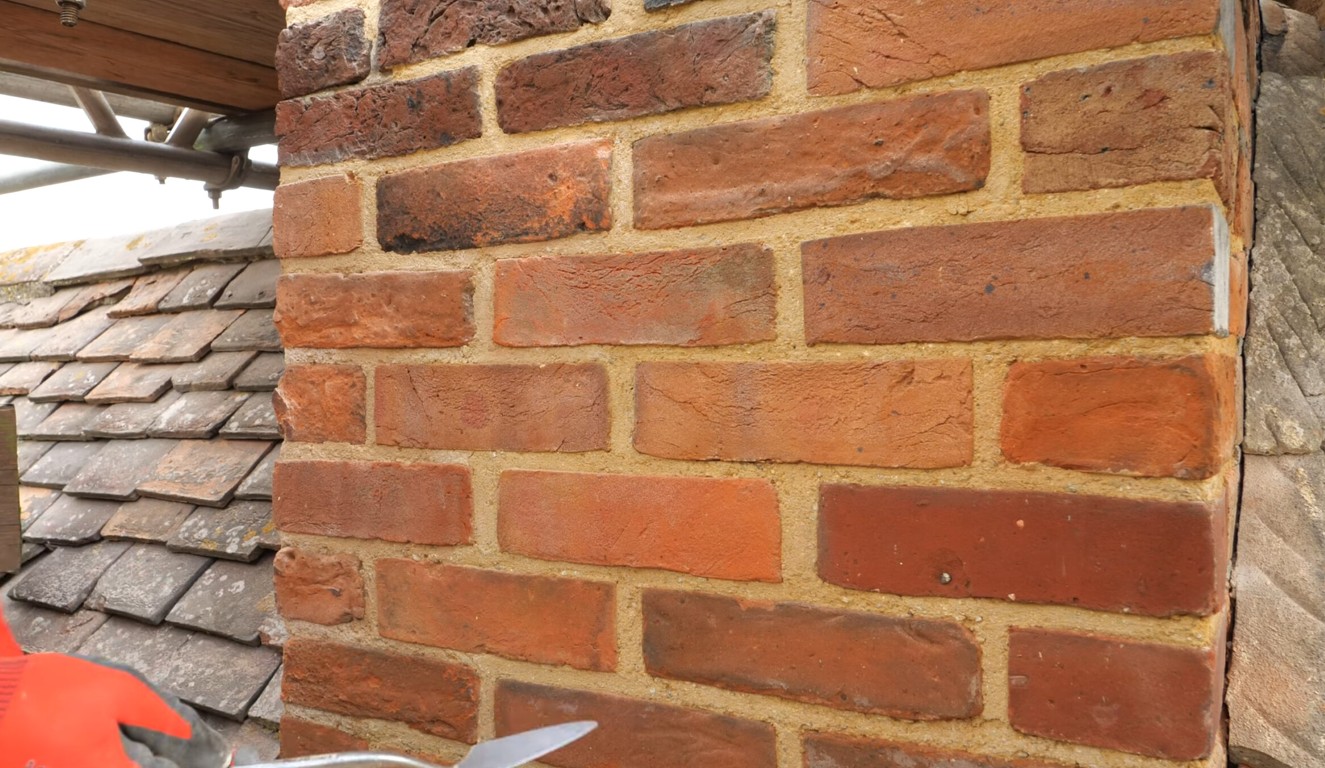
What Tuckpointing and Repointing Can Do for Your Home
Mortar is the material that holds your bricks together, but it does not last forever. Over time, weather exposure causes mortar to deteriorate, crack, and crumble away. When this happens, water can get into your walls, causing damage that spreads throughout your brickwork. Tuckpointing and repointing are the processes of removing old, damaged mortar and replacing it with fresh material. This restores the structural integrity of your walls and prevents water intrusion that can lead to serious problems.
Here in Springfield, the freeze-thaw cycles we experience are particularly hard on mortar joints. Water seeps into cracks and gaps, then freezes and expands when temperatures drop. This expansion forces the joints open wider, allowing even more water to enter. Each winter makes the problem worse, and deteriorating mortar joints accelerate the aging of your entire brick structure. The good news is that timely tuckpointing can stop this cycle and extend the life of your brickwork by decades.
At SFM Springfield Masonry, we specialize in tuckpointing and repointing work that brings old brickwork back to life. We carefully match the color and composition of your existing mortar so repairs blend seamlessly with the original work. Our skilled masons understand the proper techniques for removing old mortar without damaging bricks, mixing mortar to the correct consistency, and tooling joints for a professional finish. The result is brickwork that looks great and will protect your home for years to come.
Signs Your Brickwork Needs Tuckpointing
Knowing when your brickwork needs tuckpointing can save you from more extensive and expensive repairs later. The signs are not always obvious at first, but once you know what to look for, you can catch problems early and address them before they cause serious damage.
Crumbling and Missing Mortar
The most obvious sign is mortar that is crumbling, falling out, or missing entirely. You might notice mortar dust on the ground near your walls or see gaps between bricks where mortar used to be. When you can push a screwdriver or key into the mortar joints easily, the mortar has lost its strength and needs to be replaced. These gaps are entry points for water, which will cause the problem to spread rapidly.
Cracks in Mortar Joints
Hairline cracks might not seem like a big deal, but they let water penetrate into your walls. Once water gets behind the brick face, it can cause spalling where the brick surface flakes off, and it can damage the interior structure of your walls. Vertical cracks, horizontal cracks, and stair-step cracks all indicate that your mortar is failing and needs attention. Our brick repair services often go hand in hand with tuckpointing to address all aspects of brick deterioration.
Water Damage and Staining
White powdery deposits on your bricks, called efflorescence, are a clear sign that water is moving through your masonry. Interior water stains on walls, damp spots, or mold growth near brick exterior walls all indicate that water is getting in where it should not. Deteriorated mortar joints are often the culprit. Repointing these joints creates a water-resistant barrier that keeps moisture out.
Aging and Historic Buildings
If your home is more than 25 years old and has never had tuckpointing work done, there is a good chance it needs it. Historic buildings in Springfield often need special attention to preserve their character while addressing deterioration. We have extensive experience with historic masonry and understand how to match original materials and techniques while bringing structures up to modern durability standards.
Common signs that indicate you need tuckpointing or repointing:
- Mortar that crumbles when you touch it or push it with a tool
- Visible gaps between bricks where mortar has fallen out
- Cracks running through mortar joints in any direction
- White powdery deposits on brick surfaces
- Water stains on interior walls near brick exteriors
- Bricks that are loose or can be wiggled by hand
- Mortar joints that are recessed more than a quarter inch
- Previous patch jobs that are failing or do not match
Our Professional Tuckpointing Process
Quality tuckpointing is more than just filling gaps with mortar. It requires skill, proper materials, and attention to detail at every step. The process starts with carefully removing the old, deteriorated mortar to a proper depth without damaging the surrounding bricks. We use specialized tools and techniques to grind out the joints cleanly, typically to a depth of at least three-quarters of an inch. This ensures that the new mortar has enough depth to bond properly and provide lasting strength.
Matching the mortar is critical for both appearance and performance. We analyze your existing mortar to determine its composition and color, then create a custom mix that matches. Using mortar that is too hard can actually damage softer historic bricks, while mortar that is too soft will not provide adequate protection. We get it right by understanding the specific needs of your brickwork and using the appropriate materials for your situation.
Once the joints are prepared and the mortar is mixed, our skilled masons carefully pack the new mortar into the joints, ensuring there are no voids or gaps. The mortar is then tooled to match the profile of your existing joints, whether that is concave, V-shaped, or another style. Proper tooling compacts the mortar and creates a weather-resistant surface. We take care to keep mortar off the brick faces and clean up as we go, leaving your walls looking crisp and professional. Our experience with chimney repair and masonry restoration means we understand how different types of mortar perform in various applications.
After the work is complete, the mortar needs time to cure properly. We protect the fresh work from rapid drying and extreme temperatures, which can compromise the strength of the mortar. Depending on weather conditions, the full curing process takes several weeks, though the mortar gains most of its strength in the first few days. When we are done, your brickwork will not only look better, it will be structurally sound and protected against water intrusion for many years to come.